
- Readers Rating
- No Rating Yet!
- Your Rating
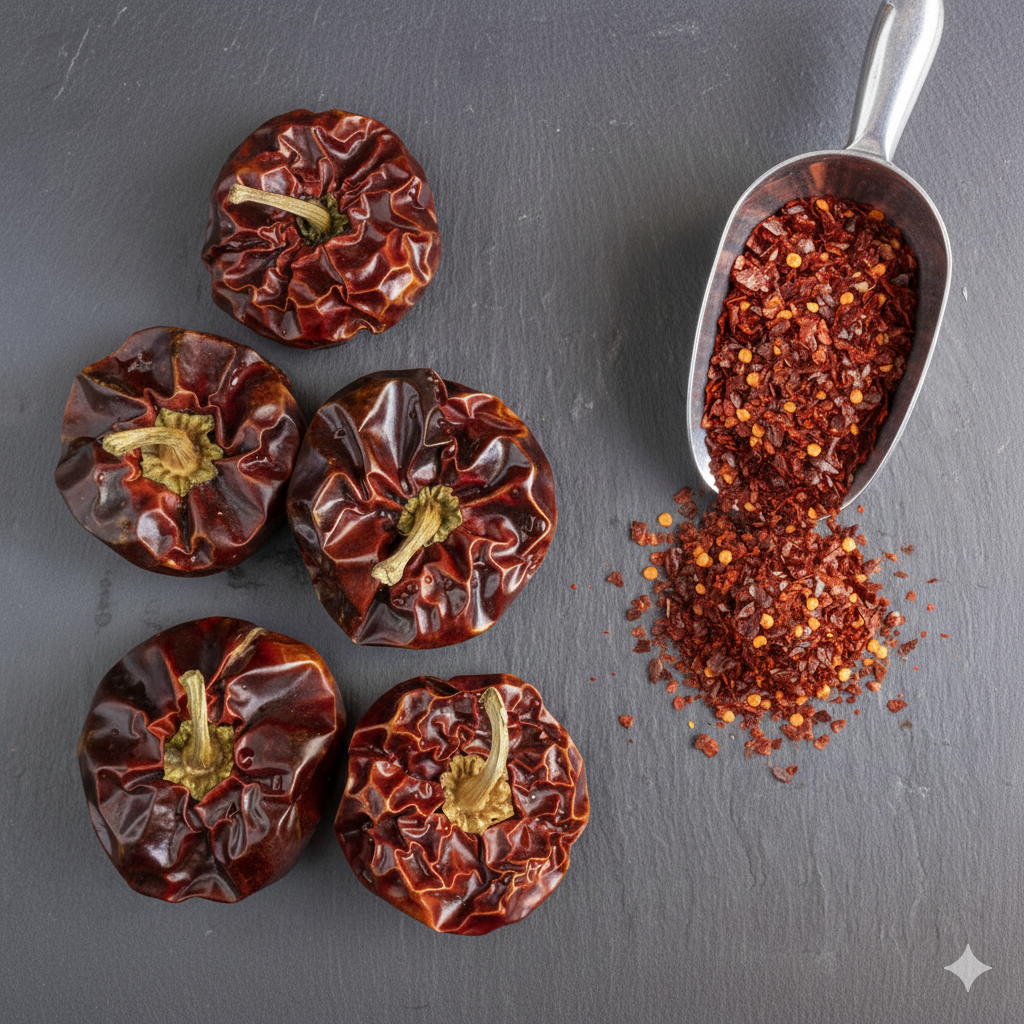
The Ñora is one of those ingredients that quietly enters the kitchen and transforms dishes with a unique taste and aroma. Typical of Mediterranean cuisine, this dried pepper adds a distinctive flavor to every dish and recipe, as well as offering excellent properties. In this article, we explore what Ñora is, where it comes from, its properties, and how to use it in traditional recipes that delight any lover of good food.
What is Ñora?
The Ñora is a type of dried red pepper originating from Spain, specifically the Mediterranean Levant region, where it has become an essential ingredient in traditional gastronomy. It is a variety of Capsicum annuum with round shape and small size, which is sun-dried when mature to concentrate its sweet, aromatic, and intense flavor.
Once dehydrated, Ñora can be:
-
Hydrated to extract its deep-flavored pulp, perfect for broths, sofritos, and sauces.
-
Lightly toasted to enhance its aromatic intensity.
-
Ground to use as paprika or a dry seasoning.
This pepper should not be confused with the Choricero pepper, another dried variety with similar uses but a different flavor profile and texture.
Where does Ñora come from?
Ñora originated in southeastern Spain, especially in the Region of Murcia, from pepper varieties brought from the Americas after the discovery of the New World in the 16th century. Over time, Murcian farmers adapted these peppers to the Mediterranean climate and developed the practice of sun-drying them, giving rise to Ñora as we know it today: a small, round, dried pepper, essential in traditional Levantine and Mediterranean cuisine. Ñora has a history deeply linked to the traditional cuisine of southeastern Spain, especially in the Region of Murcia, the Valencian Community, and Catalonia.
There it is cultivated and left to dry in the sun after harvest, a process that concentrates sugars and unique aromatic compounds. The Region of Murcia, for example, has even influenced the development of local paprika products made from Ñora. Although its characteristic flavor has crossed culinary borders, especially in countries with Mediterranean culinary influence, its use remains traditionally Spanish and Mediterranean.
Properties of Ñora
Ñora not only adds flavor, but also provides interesting nutritional benefits:
Nutritional profile and advantages
When consumed as dried pepper or in pulp form, it provides:
-
Natural antioxidants that help protect cells.
-
Vitamins, especially vitamin C, which supports the immune system.
-
Minerals such as potassium and magnesium.
-
Fiber from the pepper, beneficial for digestion.
Additionally, thanks to its concentrated flavor without strong heat, it is very versatile and can enrich stews, sauces, and rice dishes without overwhelming the palate.
How to use Ñora in cooking
Ñora is a fundamental ingredient in traditional Mediterranean cuisine, especially in recipes that require depth of flavor, aroma, and a touch of natural sweetness.
Ways to use it
-
Hydrated: soak in hot water and scrape the pulp to incorporate into sauces and broths.
-
Toasted: to enhance its aroma before mixing with other ingredients.
-
Ground or powdered: as a seasoning or to make local paprika.
How to make Ñora paste or pulp
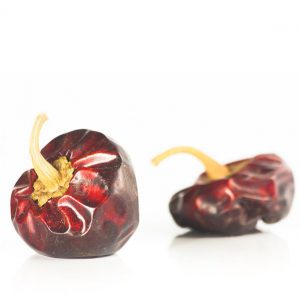
The Ñora paste or pulp is the flesh of the dried pepper once hydrated and is one of the most practical and traditional ways to use Ñora in cooking. Its flavor is intense, slightly sweet, and very aromatic, ideal for sofritos, rice dishes, stews, and sauces. To prepare it simply:
- Clean the Ñoras: remove the stem and seeds inside.
- Hydrate them: place in a bowl with hot water for 20–30 minutes until the skin is soft.
- Drain and open carefully.
- Using a knife or spoon, scrape out the pulp (the Ñora flesh), avoiding the skin which is tough and not usually used.
- For a finer texture, blend the pulp with a drizzle of olive oil until a homogeneous paste is obtained.
Traditional recipes with this prized ingredient
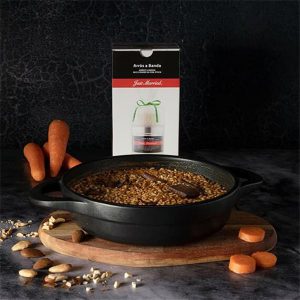
Arroz a Banda or Caldoso Rice
Arroz a Banda is one of the great traditional Mediterranean dishes featuring Ñora. The pulp is incorporated into the fish broth, giving color and a sweet flavor that pairs perfectly with seafood and fish.
Tips:
- Hydrate the Ñoras before use.
- Scrape the pulp with a knife and add it to the broth.
- Cook the rice directly in this aromatic broth for an intense, deep flavor.
Why use Ñora in your cooking?
Ñora is more than just a seasoning: it is an ingredient that unites tradition and deep flavor with modern Mediterranean cuisine. It provides:
- Intense color
- Sweet, deep aroma
- Natural umami flavor
Although typical of Spain, chefs around the world are incorporating it to give a Mediterranean twist to their recipes thanks to its versatility and distinctive character.
On our marketplace, you can find dried Ñoras, Ñora pulp, and related products, perfect for all these dishes. We also suggest exploring complementary products like extra virgin olive oil, toasted almonds, or high-quality paprika to enhance your Ñora recipes. To learn more about Ñoras, dive into the Mentta blog and discover the main differences with Choricero pepper.
Differences between ñora and choricero peppers: two culinary gems